| | Biker News - Regularly updated
Category: Random
-
The Isle of Man TT Races is proud to announce a new 3-year partnership with BMW Motorrad, which sees the globally renowned manufacturer become the Official Vehicle Safety Partner of the TT.
This new agreement will see BMW Motorrad provide a range of high-performance vehicles to support all aspects of the event’s extensive safety and operational infrastructure, ensuring that TT Officials, Medics and Marshals are fully equipped to carry out their vital duties safely and effectively across the legendary 37.73-mile Mountain Course.
At the heart of this partnership is a shared commitment to safety and performance. The TT’s experienced team of Travelling Marshals - all experienced former competitors – will be onboard the BMW S 1000 RR, a machine renowned for its agility, speed and reliability. Marking 70 years of service to the event in 2025, the Travelling Marshals play an important role within the TT, providing crucial feedback on course conditions and acting as first responders on the roads. 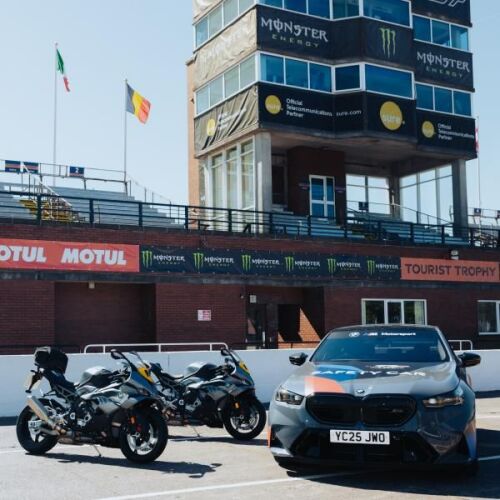
Two additional M 1000 RRs will also be supplied to the TT Rider Liaison Officers, who provide vital support to newcomers year-round as well carrying out essential inspections during the event.
Under the partnership, BMW will also support the TT’s world-class medical response capabilities by supplying a fleet of X5 and X3 vehicles, including an X5M as the Medical Fast Response Car. This high-performance SUV will enable the TT’s medical teams to reach any incident across the 37.73-mile course with maximum speed and efficiency.
The TT’s medical response is coordinated through its Official partner Manx Roadracing Medical Services (MRMS), a team of highly skilled professionals committed to continuous innovation. Driven by research and innovation, MRMS plays a central role in developing a best-in-class model for roadracing medical care - one that ensures the fastest, most effective treatment is delivered on scene.
Marshals, who are essential to the safe running of the races, will be supported by a fleet of BMW 530e saloons - delivering a balance of efficiency, performance and practicality. In addition, the TT’s safety car fleet will be enhanced with M3 and M5 saloons, ensuring high-visibility presence and rapid response capability throughout the event.
Paul Phillips, Head of Motorsport, Isle of Man Department for Enterprise, commented: “Safety is at the heart of everything we do at the TT, and having partners who can help us deliver on that commitment is crucial to the event's success. Our medical response team is continuously driving innovation to improve our safety standards, and having the best equipment available to them - and to all our officials and marshals - is essential in allowing them to operate as effectively and safely as possible. We are looking forward to partnering with BMW, a brand that shares our values and vision for the future of the event.”
Scott Grimsdall, UK Head of Marketing and PR, BMW Motorrad, added: “The TT’s experienced officials, travelling marshals, and medical response teams are integral to putting on one of the greatest spectacles in motorsport. Deploying safely and efficiently is a crucial part of their roles, and we are delighted to partner with the Isle of Man TT Races and provide them with a range of BMW machinery packed with class-leading technology to ensure they are able to do so.”
This new partnership forms part of the delivery of the Isle of Man TT Races’ overarching strategy to enhance safety performance and medical provisions across all areas of the event. With BMW Motorrad on board as Official Vehicle Safety Partner, the TT continues to build on its reputation as the most challenging and expertly operated road race in the world.
-
The Southend Shakedown has long been one of the UK’s most anticipated motorcycle events, attracting riders from all over the country. Known for its high-speed races, stunning stunts, and a sense of community that unites the biking world, the Shakedown’s return is a much-needed boost for both seasoned riders and newcomers alike. But with the event itself lasting only a few days, bikers are already thinking about what to do once the races are over. Fortunately, the UK is brimming with opportunities for motorcyclists to continue their adventure long after the Shakedown wraps up. 
After the final race and the last wheelie has been pulled, many riders are already looking for the next thrill. The UK is packed with beautiful roads, biker-friendly spots, and unique activities that cater to the adventurous spirit of any rider. But once the Shakedown is over, there are plenty of ways for bikers to keep the momentum going and explore new areas, meet fellow enthusiasts, and enjoy their bikes in new environments.
Here’s a guide to some of the best post-shakedown adventures:
Explore Alternative Hobbies
For many bikers, the thrill of the ride doesn’t have to end after the Southend Shakedown. When you're back home and the leathers are hung up, there are plenty of ways to keep the adrenaline flowing and the mind sharp.
One popular option is getting stuck into a new project — like restoring an old motorcycle. Many bikers take pride in breathing new life into a classic ride, and there's no better way to stay connected to the road than by building a machine with your own hands.
Another great way to unwind is hitting up a biker-friendly pub quiz night or joining a local bike club for weekly rides and meet-ups. Staying social and connected to the community keeps the spirit of the Shakedown alive year-round.
And if you're after a bit of at-home excitement, online entertainment like non Gamstop betting sites UK offers plenty of ways to keep the thrill going. These platforms allow you to place bets on motorsport events, football matches, and more, giving you a taste of competition and risk from the comfort of your sofa. Whether you're rebuilding a bike, planning your next road trip, or playing against a live poker dealer, there are endless ways for bikers to stay busy after the final flag drops.
Hit the Scenic Roads
If you are looking for more outdoor adventure, there’s nothing better than hitting the open road and enjoying some of the UK’s most iconic motorcycling routes. The country offers some incredible rides that will leave you breathless. One place to consider is the Isle of Man, famous for the legendary TT races. Even if you're not racing, the winding roads and stunning views make it an unforgettable experience for any biker.
The Scottish Highlands are a fantastic choice, too! Known for its rugged beauty, the Highlands offer a peaceful yet thrilling ride. The roads twist through mountains and lochs and along dramatic coastal views, making it a dream for any biker looking for adventure.
If you’re looking for more of a challenge, the Lake District is the place to be. With steep climbs, winding roads, and stunning views, it offers an excellent ride for those wanting to escape and experience nature up close.
Attend Other Biker Events
While the Shakedown is an amazing event, the UK hosts a wide range of biker rallies and festivals throughout the year. After the excitement of the Shakedown, you can keep the momentum going by attending one of these other must-see events. The Bulldog Bash, one of the UK’s largest motorcycle rallies, is a great choice. It has everything from live music to burnouts and stunts, making it a great follow-up to the Shakedown.
If you’re passionate about bikes, the London Motorcycle Show is a huge event where you can stay up to date with the latest bikes, gear, and trends. For those who prefer classic or custom motorcycles, the Custom & Classic Motorcycle Show is perfect, too. You can see some incredible bike builds and maybe even get inspiration for your next project.
The return of the Shakedown has certainly energized the UK’s motorcycling community, and it’s only the beginning of an exciting season of biking events and activities. Whether you’re hitting the open road on one of the UK’s scenic routes, attending another legendary biker event, or simply enjoying the company of fellow riders at a local pub, there’s no shortage of opportunities to keep the spirit of the Shakedown alive.
With the potential of more places in the UK introducing visitor levy increases, there is no better time than now to hit the open road. As bikers continue their journey after the event, there are plenty of ways to stay engaged with the community and enjoy new experiences, whether that means continuing to race, exploring new hobbies, or indulging in a bit of online fun. The Shakedown might be over, but the adventure is just beginning.
Image - Southend Shakedown, photo by Ian Evans, Ace Cafe
article supplied
-
If there’s one thing that every biker can agree on, it's the fact that the feeling of freedom when driving down an open road is unmatched and can’t be replicated. This is why most bikers stick to motorcycles.
However, if you are a biker in the market for a car, all hope is not lost. You can get a car whose satisfaction and adventure when driving are not too far from the experience when riding. Here are the top 6 cars you can consider getting as a biker. 
Ford Bronco
The Ford Bronco is a favorite SUV for lovers of outdoor adventures. It has numerous features that make it an ideal option for a biker looking to get a car — from the removable rooftop and the availability of various terrain modes to the rugged retro styling paired with the most modern technology. The terrain modes include rock crawl mud/ruts, eco, slippery and sand, baja, sport, and normal, meaning that wherever the adventure takes you, navigation will not be a challenge.
The base option for the Ford Bronco comes with a 300-horsepower 2.3-liter turbocharged four-cylinder engine with the options of either a 7-speed manual transmission with ultra-low "crawler” gear or a 10-speed automatic. The uplevel option, on the other hand, has a 330-horsepower 2.7-litre V6 that is paired with a 10-speed automatic transmission.
Subaru Outback
Regarding off-road capabilities, the Subaru Outback does not perform as well as most of the cars on this list. However, it is the perfect combination for light off-roading as an all-wheel drive with maximum interior comfort. The Outback has a spacious cargo area of 32.5 cubic feet with the rear seats upright and 75.7 cubic feet with the rear seats folded.
When it comes to driving power, you can opt for a 2.5L 4-cylinder engine option that delivers 182 horsepower or the 2.4L turbocharged 4-cylinder engine option that produces 260 horsepower. Whichever you go for, you can explore dirty roads, light trails, and even snow to keep your biker's adventurous spirit alive.
Chevrolet Corvette
When it comes to sports cars, the appellation for bikers has nothing to do with transporting bikes or the ability to go on adventures on rough terrain. It is all about the speed. The Chevrolet Corvette stands out with its sleek design and low stance. It exudes power when driving and offers a thrilling experience. The standard model is powered by a 6.2L V8 engine that delivers 495 horsepower.
Driving fast with the windows down is the closest you will get to feeling like you are riding a motorcycle while driving. If you are also into placing wagers, driving a Chevrolet Corvette is as exciting as finding a casino website offering maximum bonuses.
Ford Mustang 
This is another sports car that appeals to bikers purely for its performance and the thrilling driving experience it offers. This muscle car features a powerful 5.0L V8 engine that delivers 450 horsepower.
If you are a lover of cruiser motorcycles, then the iconic style of the Ford Mustang is right up your alley. The Ford Mustang offers great handling and high-performance driving, similar to the experience of riding a motorcycle.
Jeep Gladiator
This is the truck version of the Jeep Wrangler. The Jeep Gladiator is an unlimited sport utility vehicle that features high clearance and great suspension. The five-link suspension in the front and rear, as well as electronic locking differentials, speak to its off-roading prowess.
The truck comes with a versatile cargo box, making it an ideal car for transporting your bike. The base engine for the Gladiator is a 3.6-litre V6 engine that produces 285 horsepower. However, you also have the option of a 3.0-litre EcoDiesel V6 engine that delivers 260 horsepower. You can enjoy driving the manual option with the standard 6-speed manual transmission or go for the automatic 8-speed option.
Toyota Tacoma
For almost two decades, the Toyota Tacoma has held the record as the bestselling midsize pickup in the US. This is no surprise, as it has off-road capabilities, is a reliable pickup, and delivers a great driving experience. It is perfect for navigating tough terrain and remote areas while offering plenty of space to haul your bike and gear.
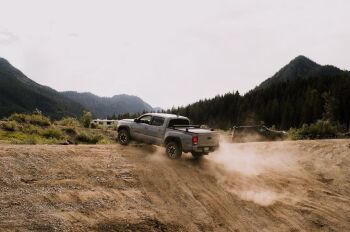
The Toyota Tacoma pickup is available in two models, the extended Access Cab and the four-door Double Cab. You can also choose between the rear-drive or part-time four-wheel drive option. When it comes to power, two great options are available: the 2.7-litre, 159-horsepower four-cylinder engine that has an eight-speed automatic transmission or the 3.5-litre V6 that produces 278 horsepower.
If your main priorities for getting a car as a biker are the capacity to carry bikes, the ability to navigate through rough terrain for adventures, and the same rugged appeal as motorcycles, then any SUV or pickup listed above would be perfect for you. However, if you are seeking speed and high performance to replicate the feeling of riding, then one of the two best sports cars mentioned above is what you should be looking into getting.
article supplied
-
For motorcycle riders, the open road offers freedom, adrenaline, and adventure—but it can also take a toll on the body and mind. Many riders are turning to trending wellness products that complement their lifestyle. From compact gear designed for comfort to items that support daily routines, these trending picks blend seamlessly with life on two wheels.
Whether a weekend cruiser or a long-haul traveler, the right wellness essentials can elevate your experience and prepare you for the next ride.7 Wellness Products That Motorcycle Riders Should BuyPortable massage gunA portable massage gun is a trending wellness product that motorcycle riders should consider adding to their gear. Compact and easy to carry, this tool fits perfectly into saddlebags or backpacks, making it ideal for on-the-go use. Riders can use it after long hours on the road to unwind and ease tension from prolonged riding positions.With multiple speed settings and interchangeable heads, it offers customization without taking up much space. Its cordless design and quick recharge features also add to its convenience, making it a practical companion for any road trip. 
Anti-fatigue compression socks
Anti-fatigue compression socks have become a popular wellness pick among motorcycle riders who spend extended hours on the road. Designed for long-distance travel, these socks offer a snug,consistent support that promotes comfort during and after a ride.
They’re especially appreciated during multi-day trips, where staying comfortable is key toenjoying the journey. With various styles and materials available, they easily fit under riding gear without adding bulk, making them a practical addition to any rider’s travel kit.
Blue light-blocking glasses
Blue light-blocking glasses are a smart addition to any motorcycle rider’s wellness routine, especially for those who rely on GPS devices, smartphones, or tablets during their travels. These glasses help reduce the visual strain from prolonged screen use, particularly during planning stops, navigation, or nighttime scrolling.
Stylish and lightweight, they can easily be packed into a riding bag or worn during breaks without hassle. For digitally connected riders, these glasses offer a simple way to support visual comfort throughout the journey.
Hydration tracking water bottle
A hydration-tracking water bottle is a trending wellness essential for motorcycle riders who spend long hours on the road. These bottles are designed to help riders monitor their water intake with built-in tracking features, reminders, or time markers.
They’re durable, easy to carry, and fit well in most bike compartments or backpacks. Whether riding through the heat or cooler climates, staying hydrated is key to maintaining comfort, and having a bottle that keeps tabs on your intake adds a layer of convenience to every trip.
Noise-canceling earbuds
Noise-canceling earbuds are becoming a favorite among motorcycle riders looking to enjoy quiet moments during rest stops or while winding down after a long ride. These earbuds help block background noise, making it easier to focus on music, podcasts, or even peaceful silence.
Compact and easy to store, they fit perfectly in a jacket pocket or saddlebag. Whether at a roadside café or taking a break at a scenic overlook, noise-canceling earbuds can enhance the downtime experience simply and stylishly.
Herbal relaxation products
Herbal relaxation products have gained popularity among motorcycle riders who value calm, grounded moments after long hours on the road. Whether in teas, tinctures, or other natural blends, these items are often part of a rider’s post-ride routine.
Travel-friendly aromatherapy roll-ons
Travel-friendly aromatherapy roll-ons are becoming a go-to wellness product for motorcycle riders due to their compact design and easy application. These roll-ons often come in sturdy, leak-proof containers that can be tossed into a saddlebag or pocket without worry.
Whether you're looking to unwind after a long ride or create a moment of calm during a break,their discreet and mess-free format makes them a practical companion on any road trip. With various scent blends available, riders can choose one that best fits their preferences and travel vibes.
Why Should Motorcycle Riders Buy Wellness Products?
Motorcycle riders often spend long hours on the road, making wellness products a smart addition to their gear. These items can help enhance comfort, maintain focus, and support a more enjoyable riding experience.
Whether staying hydrated, minimizing fatigue, or simply finding moments of relaxation during pitstops, having the right wellness products on hand adds a thoughtful layer of care to any journey.For riders who prioritize performance and personal well-being, investing in these tools can makea noticeable difference in how they feel before, during, and after each ride.
Factors Motorcycle Riders Should Ensure Before Buying Wellness Products
Before purchasing wellness products, motorcycle riders should consider factors like durability, portability, and convenience to ensure they’re investing in products that truly enhance their riding experience.
Durability is crucial, as riding gear is exposed to various weather conditions and constantmovement, so products that can withstand rough handling and outdoor elements are necessary.
Portability is also a key consideration—products should be compact and easy to pack away insaddlebags, backpacks, or jacket pockets without taking up too much space or adding unnecessary weight. Convenience also matters; products that integrate smoothly into a rider’s routine, whether easy access to hydration or relaxation tools during rest stops, can significantly improve comfort and overall satisfaction. 
Closing Lines
Incorporating trending wellness products into a motorcycle rider’s routine can significantly enhance comfort and convenience during long rides and rest breaks. From portable massage guns to hydration tracking bottles, these products offer practical solutions for the unique demands of the road. By choosing durable, compact, and easy-use items, riders can ensure a smoother, more enjoyable experience on their journeys. As the wellness market continues to innovate, there are more options than ever to improve the riding lifestyle.
article supplied
-
DEDICATED TO OUR PINNACLE X-804 RS ULTRA CARBON, THE TWO VERSIONS SHADES OF STYLE AND FURY OF PERFORMANCE ARE SYNONYMOUS WITH TIMELESS SPORT ELEGANCE.
There are helmets that protect and can tell a story. 
In the long tradition of Italian motorsport excellence, X-804 RS Ultra Carbon is the perfect synthesis of technology and style. Designed to dominate extreme speeds and stand out in every detail, this carbon fibre model comes from Nolan's racing heritage: a legacy-built race after race, victory after victory. A helmet that, thanks to its design, highlights a style with a decidedly Made in Italy character, redefining the paradigm of sports elegance.
With the new LESMO graphics, available in the Shades of Style and Fury of Performance variants, a new helmet idea takes shape: an object that blends absolute performance with refined aesthetics. A tribute to the sporty soul of those who live the motorbike as an extension of themselves, as well as to the pure beauty of speed.
Designed for the most demanding riders, born from the Italian passion for pure performance, X-804 RS Ultra Carbon LESMO represents the pinnacle of Nolan technology. A carbon fibre structure, distinguished by the X Series signature, that combines all the features required by those who are about to ride a sports bike on the track or on the road: lightness and strength, aerodynamics and comfort, protection and style. This helmet is the result of artisan knowledge carefully cultivated in the Brembate di Sopra factory, where every detail is shaped by hand by those who know the meaning of the word ‘excellence’.
The two new colours created for the LESMO graphics are an expression of aesthetics inspired by legendary circuits, by the memorable exploits that have chronicled the most beautiful sporting pages linked to the world of speed on two and four wheels, with an inimitable and timeless style.
Shades of Style (361) is the essence of style meets speed: Anthracite, Black, Gold and a Metal Silver visor that illuminates every trajectory with innate class. Fury of Performance (362), on the other hand, is the power of racing that takes shape: a symphony of Carbon, Red, Black, Grey and Gold, complemented by a Dark Smoke visor that reflects the determination of those who never stop. Both versions of LESMO are born from an exposed carbon shell base to give life to a design that ideally follows the trajectories of the wind, immediately conveying the emotion you feel once you open the throttle.
X-804 RS UC LESMO doesn't just protect the head: it amplifies the sensation of riding, enhancing every turn, every straight, every breath of the engine. The D-Ring retention system, the Ultra wide visor with anti-scratch treatment, the triple ventilation enhanced by Racing Air Flow (RAF), and the active carbon inner padding - now in the new sand color - define a habitat designed for maximum concentration and minimum compromise.
Every element speaks of care: from the compatibility with glasses (Eyewear Adaptive), to the anti-fog nose deflector, to the sculpted rear edge to improve freedom of movement in a racing position. Then there's the aerodynamics enhanced by the Racetrack Aerodynamic Spoiler (RAS), developed through CFD studies and wind tunnel testing, capable of ensuring impeccable stability even under the most decisive acceleration.
There is also the Camel Bag hydration system and the Tear Off kit, for riders who live the track without compromise. Also available is the set of additional padding for a ‘made-to-measure’ fit.
Four shells for X-804 RS Ultra Carbon, from 2XS to 3XL, for a fit that fits like a second skin.
The LESMO graphic is available at Nolan Dealers, with a suggested retail price of £599.99.
article supplied
|