| | Biker News - Regularly updated
-
Motorcycling in New Zealand is more than just a mode of transportation: it’s a lifestyle, a passion, and for many, an exhilarating way to experience the country’s stunning landscapes. From the winding coastal roads of the South Island to the lush valleys of the North, New Zealand offers some of the most picturesque riding routes in the world. However, like any hobby or lifestyle choice, motorcycling comes with its own set of financial considerations. In this article, we’ll explore the various costs involved in owning and maintaining a motorcycle in New Zealand, from initial purchase and insurance to ongoing maintenance and fuel costs. We’ll also discuss the broader financial implications of turning this passion into a sustainable hobby.
1. The Initial Investment: Buying a Motorcycle in New Zealand
The first and most obvious cost associated with motorcycling is the bike itself. Motorcycle prices in New Zealand can vary greatly depending on the type, brand, and condition of the bike.
-
New Motorcycles: If you’re eyeing a new bike, prices can range from around NZD 7,000 for a smaller, entry-level bike, such as a Honda CB125, to over NZD 40,000 for high-end touring or sports models, such as a BMW R 1250 GS or a Harley-Davidson Road Glide. New bikes offer the advantage of warranties and modern technology, but they come at a premium.
-
Used Motorcycles: For those on a tighter budget, the used motorcycle market in New Zealand is thriving. Websites like Trade Me or local dealerships often have a range of bikes available. Used bikes can cost anywhere from NZD 2,000 for an older model to NZD 15,000 or more for a well-maintained mid-range bike. When buying used, it’s essential to consider potential repairs or replacements, which may add to the overall cost.
Financing options are available, and many dealerships offer payment plans for both new and used motorcycles. Be sure to factor in interest rates and terms when considering financing, as this will affect the total cost of your bike over time.
2. Ongoing Costs: Insurance, Registration, and Licensing
Once you’ve purchased your motorcycle, there are several ongoing costs to keep in mind. These include insurance, registration, and licensing fees.
-
Insurance: Motorcycle insurance in New Zealand is not legally required but is highly recommended. Basic third-party insurance can cost as little as NZD 150 per year, while comprehensive coverage can range from NZD 500 to NZD 1,500 annually, depending on the type of bike, your age, and your riding history. Comprehensive coverage protects against theft, damage, and accidents, offering peace of mind for a relatively small annual fee.
-
Registration (Rego): Motorcycles in New Zealand must be registered to legally operate on the road. The cost of registration varies depending on the size and engine capacity of the bike. As of 2023, the annual registration cost for a motorcycle ranges from NZD 420 to NZD 600. This fee includes the ACC levy, which funds New Zealand’s no-fault accident compensation scheme, ensuring that bikers are covered in the event of an injury.
Licensing: To ride a motorcycle in New Zealand, you’ll need a motorcycle license. The licensing process involves three stages: learner, restricted, and full. Each stage requires both a practical and theory test, with associated fees ranging from NZD 50 to NZD 100 per test. The total cost of obtaining a full motorcycle license can be around NZD 400, including training courses and test fees.
3. Fuel Costs: Riding in a Land of Long Roads
New Zealand’s vast landscapes make for incredible riding, but fuel costs can quickly add up. Most motorcycles are relatively fuel-efficient compared to cars, but regular use still incurs significant expenses.
-
Fuel Efficiency: The average fuel consumption for a motorcycle ranges from 3 to 6 litres per 100 km, depending on the model and riding style. At the current fuel price of around NZD 2.50 per litre for petrol, a 500 km road trip can cost anywhere from NZD 40 to NZD 75 in fuel alone. For city commuting, a typical rider might spend around NZD 30 to NZD 50 per week on petrol.
Long-Distance Travel: For bikers who enjoy long-distance touring, fuel costs can become a more significant expense. Planning and budgeting for fuel expenses is crucial when undertaking trips across the North and South Islands, especially with fuel prices fluctuating in different regions. Despite this, many bikers argue that the freedom and joy of riding far outweigh the cost of fuel.
4. Maintenance and Repairs: Keeping Your Bike in Top Shape
Like any vehicle, motorcycles require regular maintenance to remain in top condition. The cost of maintaining a motorcycle can vary depending on the type of bike, the frequency of use, and how much of the maintenance you’re willing or able to do yourself.
-
Basic Maintenance: Routine services, such as oil changes, chain adjustments, and tire checks, are essential for keeping your motorcycle running smoothly. Depending on whether you perform the maintenance yourself or use a mechanic, a basic service can cost anywhere from NZD 100 to NZD 300. These services should be done every 6,000 to 10,000 km, depending on the bike.
-
Tires: Motorcycle tires typically need replacing every 10,000 to 15,000 km, though this depends on your riding style and the type of roads you ride on. A new set of tires can cost anywhere from NZD 300 to NZD 800, including installation.
Repairs: Unexpected repairs are an unfortunate reality for many riders. While motorcycles tend to be less complex than cars, they are still vulnerable to wear and tear. Replacing a clutch or brakes can cost between NZD 300 and NZD 1,000, depending on the model and the parts required. Regular maintenance can help prevent major repairs, but it’s always wise to budget for unexpected expenses.
5. Gear and Safety: Investing in Your Protection
One of the most important aspects of motorcycling is safety. Investing in good-quality gear is not only a legal requirement (helmets) but also essential for protecting yourself on the road.
-
Helmets: New Zealand law requires all motorcyclists to wear an approved helmet. Prices for helmets range from NZD 150 for basic models to NZD 1,000 or more for high-end, feature-packed helmets. Investing in a quality helmet can be life-saving, so it’s not an area to skimp on.
-
Protective Gear: Beyond helmets, many riders choose to invest in protective gear such as jackets, gloves, boots, and pants. A complete set of quality gear can cost between NZD 500 and NZD 2,000. High-quality gear is designed to protect against abrasions and impacts, providing essential protection in the event of an accident.
Accessories: Riders who embark on longer journeys may also invest in additional accessories such as saddlebags, GPS systems, and communication devices. While not essential, these extras can enhance the riding experience, with prices ranging from NZD 100 to NZD 1,500 depending on the equipment.
6. Community, Clubs, and Social Aspects: Hidden Costs of the Biker Lifestyle
One of the great joys of motorcycling is the sense of community that comes with it. Many bikers in New Zealand join motorcycle clubs or participate in organized rides, events, and rallies. While these social aspects are invaluable for many riders, they also come with some associated costs.
-
Club Memberships: Joining a motorcycle club can provide access to a range of benefits, including group rides, mechanical advice, and social events. Annual membership fees vary but typically range from NZD 50 to NZD 200.
-
Event Participation: Major events such as the Burt Munro Challenge in Invercargill or the Cold Kiwi Rally in the North Island are highlights of the New Zealand motorcycling calendar. These events may require entry fees, fuel costs, and accommodation expenses, all of which should be factored into your annual motorcycling budget. 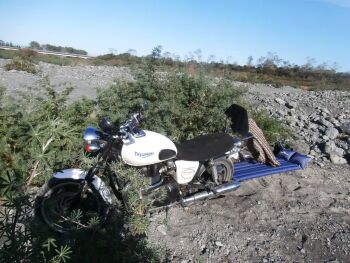
Motorcycling in New Zealand is an exhilarating and rewarding experience, but it’s important to understand the financial commitments involved. From the initial purchase of the bike to ongoing costs such as insurance, fuel, and maintenance, the hobby can quickly add up. However, for many bikers, the freedom, community, and joy that comes with riding far outweigh the expenses. By planning and budgeting for these costs, motorcyclists can ensure that they enjoy their passion without breaking the bank.
article supplied
-
It was everything but a positive Saturday for Team Gresini MotoGP around the familiar corners of the Misano World Circuit ‘Marco Simoncelli’, with Alex and Marc Marquez who both crashed out in the morning session (at turns 1 and 3, respectively). These tumbles had an important impact on the #EmiliaRomagnaGP grid position.
With Marc 7th and Alex at the very back of the grid, the sprint still gave some encouraging signs especially ahead of tomorrow’s 27-lap encounter. The #73 had a good start and made up plenty of positions before finishing 14th, a result that could lead to points tomorrow. The #93 had to put together a defensive race finished in fourth place, a result that keeps him in the title contention and boosts his morale.
|
4th - MARC MARQUEZ #93
“Had we started on the front row today, we would have still finished fourth. Our race pace made this our higher target. We must be happy that with this fourth place, which I think will be our goal for tomorrow as well. Today we crashed while trying to improve, I don’t feel fully comfortable on these tyres and we need to try to keep improving and get closer to Pecco and Martin.”
14th - ALEX MARQUEZ #73
“Our confidence cannot be as high with these crashes, but it was important to do well in the sprint race and gather some data ahead of tomorrow. We started last and we recovered many positions while racing with the medium rear tyre in order to have better reference for the race. I’m still not sure what my choice will be for tomorrow, but we surely now have more data to have a clearer comparison between soft and medium options.”
|
|
|
-
Riding into the future
Motorcycles have always been synonymous with freedom and adventure. Today, they’re also becoming a symbol of cutting-edge technology. The latest advancements in motorcycles are not just making rides more enjoyable but also safer and more convenient. From the integration of the Internet of Things (IoT) to self-balancing bikes and smart helmets, the world of motorcycling is transforming. 
The Internet of Things and connected motorcycles
Connected motorcycles are equipped with sensors and communication devices that can interact with other devices and systems, enhancing riders’ experiences.
Imagine a motorcycle that communicates with your smartphone to provide real-time updates on traffic, weather, and road conditions. This is already a reality with several manufacturers incorporating IoT technology into their bikes. Ducati's Multistrada 1260 S is equipped with the Ducati Link App, which allows riders to customise their bike settings, track their rides, and receive maintenance alerts. It’s reaching a point where the technology is mirroring the hyper-customisability of biker themed games, rather than the other way around.
Connected motorcycles can also enhance safety. BMW's Motorrad Concept Link connects to the rider's smart helmet and gear, providing essential information such as speed, navigation, and battery status directly into the rider's line of sight. This reduces the need for riders to look away from the road, thereby minimising distractions.
Self-balancing motorcycles
Self-balancing technology is another sci-fi-esque advancement that’s making motorcycles safer and more accessible. Some find the concern of balancing a heavy bike a barrier to riding.
Self-balancing motorcycles address this issue by using advanced gyroscopic technology to keep the bike upright, even when stationary.
Honda has helped pioneer this tech with its Riding Assist-e. This motorcycle uses Honda's robotics technology to maintain balance automatically, both when the bike is moving and at a standstill. This not only makes riding more accessible to beginners but also enhances stability in slow-speed situations, such as in traffic or during parking.
As well as offering convenience, self-balancing motorcycles can also significantly reduce the risk of low-speed tip-overs, which are common among new riders and can lead to injuries and bike damage. By providing a stable riding experience, these motorcycles help build rider confidence and make the riding experience more enjoyable.
Smart helmets 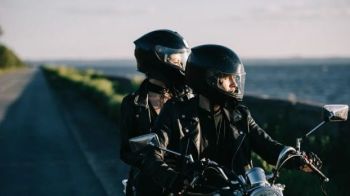
Helmets have always been the most critical piece of safety equipment for motorcyclists, but smart helmets are taking safety and connectivity to a whole new level. These helmets come equipped with advanced features such as integrated communication systems, heads-up displays, and even augmented reality (AR).
One notable example is the Skully Fenix AR helmet. This smart helmet features a transparent heads-up display that projects real time information directly into the rider's field of vision. It also includes voice control, as well as a rear-view camera, providing riders with a 180-degree view of what's behind them.
Smart helmets also facilitate communication. Many come with built-in Bluetooth systems that connect helmets with smartphones. This enables hands-free calling, music streaming, and even intercom communication with other riders.
How are motorcyclists benefitting from this tech?
These technological advancements are transforming the way motorcyclists ride, offering benefits that enhance safety, convenience, and the overall riding experience.
Enhanced safety is perhaps the most significant benefit. IoT-connected motorcycles and smart helmets are helping riders make informed decisions on the road. Self-balancing technology reduces the risk of accidents caused by loss of balance, especially at low speeds.
Technology is also making motorcycling more accessible. Beginners can benefit from self-balancing bikes, which help them build confidence and reduce the learning curve associated with riding. Connected motorcycles and smart helmets make it easier for riders to stay informed and connected.
Lastly, the integration of these technologies is making rides more enjoyable. Advanced navigation systems, music streaming, and seamless communication with fellow motorcyclists add a new dimension to rides. Riders can focus more on the joy of riding and less on the distractions and challenges of managing their bikes and navigating the roads.
article supplied
-
Win it with the Ace!
Celebrating the 30th annual Ace Cafe Reunion, Wembley based “Travelpack”, the tailor-made holiday specialists, teams up with the Ace on Sunday 8.9.24 with a stand on Madeira Drive Brighton to win a free motorbike holiday in the “Majestic Himalayas”.
To embark on this thrilling journey of a life time (excluding flights) and staying in a mix of luxury hotels, camps, and cottages, with a travel date of 29.5.25, riding a Royal Enfield bike on some of the world's highest rideable roads through the heart of the Himalayas, and all while enjoying the comfort and support of a fully guided itinerary exploring the vibrant cities and breath-taking landscapes of Delhi, Manali, Sarchu, Leh, Nubra Valley, and Pangong Lake, just go to the links:
How to enter
Offer Details
article supplied
-
Biking to class is a great way to save time, get some exercise, and reduce your carbon footprint on campus. However, some danger and risk come when riding a bike in crowded campus areas with pedestrians, cars, and other bikers. To stay safe, it is essential to understand the variables involved in biking around campus and staying protected. Here are seven must-haves that will help keep you safe and on track while biking around campus.
1. Always Wear a Helmet
It might go without saying, but wearing a helmet is the most critical thing you can do to prevent an injury while biking. Accidents can happen at any moment, whether you’re onyour way across campus or the city. A helmet could distinguish between a scraped elbow and a catastrophic injury. Make sure your helmet fits properly and is certified.
Things can get overwhelming between classes and trying to maintain a healthy lifestyle.If you struggle to keep up with your academic workload, you can buy dissertation UK from a reliable writing service. By delegating some of your assignments to trusted professionals, you free up time to focus on personal safety and perform excellently academically.
2. Use Proper Lighting and Reflective Gear
If you bike around campus early or late at night, ensure you are visible. If you have lights mounted on your bike's front and rear, this helps others see you. Reflective equipment can also help drivers and pedestrians see you. Many of these accidents happen because others do not see the cyclist. The more visible you are, the safer your ride will be.
3. Follow Traffic Laws
Riding a bike does not allow you to behave like you want. You need to follow the road laws to be safe and ensure the safety of others.
These are some of the rules to stick to:
â— Stop at Signals: Come to a halt at red lights and stop signs, like you were driving a car, to avoid accidents at junctions.
â— Ride in the Flow of Traffic: Bike with traffic, not against it. Doing otherwise increases confusion and the chance of a collision.
â— Hand Signals: Give hand signals when you’re turning so that drivers and othercyclists know when you plan to make a turn.
â— Stay In Designated Lanes: Use bike lanes when possible, and avoid pedestrian walkways and car lanes. By following these rules, you protect yourself, and by making your actions predictable,you help those around you navigate safely, too.
4. Be Aware of Your Surroundings
The campus is confused and distracted; people jump between parked cars, cars pull out of parking spaces, and other cyclists veer onto or off your shared lane. Stay alert, and commit to keeping your riding dynamic and responsive rather than rote. Being aware ofyour surroundings lets you react immediately, whether to a pedestrian two wheels down or a car turning unsafely.
5. Keep Your Bike in Good Condition
A properly maintained bike is less likely to bite you: check the pressure in your tyres regularly, ensure your brakes work well, and oil your chain so it moves smoothly. A mechanical issue caught you by surprise, and you fell and broke your arm. You would have avoided an accident if you had spent just five minutes lubricating your chain. While any kind of bike riding can lead to accidents, being vigilant about your bike maintenance will reduce mechanical accidents.
6. Choose Safe Routes
Sometimes, even though all campus roads are cyclist-friendly, in some sections of the road, you might find heavier traffic and more pedestrians compared to the other sections.Therefore, plan your cycling route, choosing roads meant for cyclists or having bike lanes.If you decide to go along roads intended for vehicular traffic, select the time of the day that only sees moderate traffic, especially if you are a beginner. It will ensure a safer ride and a more enjoyable commute.
7. Lock Your Bike Securely
Riding safely is essential, but there’s nothing like knowing your bike is safe when you aren’t riding. Always lock your bike to a bike rack, and always use a sturdy lock, like a U-lock, to make it less attractive for thieves. Bike theft is a significant problem on campuses,and stopping at the library or dining hall for five minutes can result in a bad day if your bike is gone when you return.
Ride Smart, Stay Safe
Biking is a great way to get around campus – fun, easy, and fast. You can follow these practical steps to stay safe while biking on campus. Wear your helmet. If you don't, you are at risk of getting a head injury that could be fatal. Besides a helmet, wear something that makes you visible, especially at night. Be aware of your surroundings and follow traffic rules. Your shoes can easily get entangled in your bicycle. A locked bicycle is lesslikely to be stolen than one that is not closed. Maintain your bicycle and bring it home if itis unsafe to park where you usually leave it. Even though you might think you are being cautious, strange and unexpected things can still happen.
article supplied
|