| | Biker News - Regularly updated
Category: Random
-
When a motorcycle is involved in an accident, the damage is often more than cosmetic. Unlike cars, motorcycles rely on a single structural frame to hold everything together, from the suspension and wheels to the engine and rider. If that frame is bent or cracked in a crash, the rider and repair shop face an important decision: straighten it or replace it? Choosing the right option can mean the difference between a safe, reliable machine and one that puts the rider at risk every time it hits the road.
Understanding the Importance of the Frame
The motorcycle frame is its backbone. It provides structural integrity, keeps the wheels aligned, and ensures stability at speed. Even a small bend or twist in the frame can throw off handling, create uneven tire wear, and compromise safety. That’s why, after an accident, one of the first inspection points is the frame. For repair shops, this is not just about fixing damage; it’s about protecting lives and offering support for riders who depend on a properly restored bike to get back on the road.
In cases where the accident was caused by another driver’s negligence, consider working with a skilled lawyer like this motorcycle accident lawyer Florida. They offer support for riders injured on two wheels by helping them recover the compensation they need for both repairs and medical costs. 
Frame Straightening: When Is It an Option?
Frame straightening involves using hydraulic presses and laser alignment tools to restore the motorcycle’s geometry to factory specifications. It’s a precise process, and when done correctly, it can return a bike to safe, rideable condition. Advantages of frame straightening are:
- Cost-effective: Typically much cheaper than ordering a new frame.
- Preserves originality: Keeps the motorcycle’s VIN (vehicle identification number) and factory parts intact, which helps with resale value.
- Faster turnaround: Avoids long waits for parts that may be on backorder.
However, it has limitations, including:
- Not suitable for severe cracks or compromised structural integrity.
- Success depends on the skill of the technician and the quality of the equipment.
- May not restore full factory strength if the frame has sustained significant metal fatigue.
In short, frame straightening works best for minor bends and misalignments. Shops must carefully evaluate the extent of the damage before recommending this route.
Frame Replacement: The Safer Choice in Severe Cases
When a frame is cracked, extensively bent, or otherwise compromised, replacement is the safer choice. No amount of straightening can restore a frame that has lost its structural integrity. Advantages of frame replacement include:
- Safety first: A new frame ensures the bike meets the manufacturer’s strength and alignment standards.
- Reliability: Eliminates concerns about hidden damage or future failures.
- Peace of mind: Riders can be confident their machine is roadworthy.
Some limitations include the following:
- Costly: Replacement frames are expensive, and labor costs add up.
- Registration complications: A new frame often comes with a different VIN, which can complicate title transfers or resale.
- Longer repair time: Ordering the right frame can delay repairs.
While costly, replacement is often the only responsible recommendation when rider safety is at stake.
Factors That Influence the Decision
Repair shops typically weigh several key factors before advising frame straightening or replacement:
- Extent of damage: Small bends may be repairable, but cracks or severe distortion call for replacement.
- Type of frame: Steel frames are more forgiving and easier to straighten than aluminum, which can weaken under stress.
- Cost vs. value: If the repair cost approaches the motorcycle’s market value, replacement, or even declaring the bike a total loss, may be more practical.
- Insurance coverage: Insurers often dictate whether a repair is allowed based on safety assessments and cost comparisons.
- Future safety: A shop’s reputation depends on returning bikes that are safe. Cutting corners can put riders at risk and expose shops to liability.
The Repair Shop’s Role
For auto repair shops, transparency is key. Riders deserve a clear explanation of the risks and benefits of both options. Shops should provide detailed repair estimates, photos of the damage, and documentation that explains why they recommend one solution over another.
Modern shop management software can also help by streamlining inspections, storing digital photos, and generating accurate estimates. These tools build trust with riders and help repair shops stay aligned with insurers and regulatory standards.
Endnote
Frame straightening can be a practical, cost-effective solution when damage is minor, but replacement becomes non-negotiable when safety is compromised. For riders, understanding the difference can help them make informed decisions after a crash.
For repair shops, it’s about balancing efficiency, cost, and above all, safety. Ultimately, no repair should put a rider back on the road with doubts about their motorcycle’s integrity. When in doubt, replacement ensures peace of mind, even if it comes at a higher cost.
-
Long motorcycle trips are about freedom and discovery, but even the most dedicated riders know that proper rest is key to enjoying the journey. Multi-day rides can be demanding, so building rest days into your route helps you recover, explore new places at a slower pace, and prepare for the miles ahead. Time off the bike does not take away from the adventure; it adds depth to it. These pauses let you connect with your surroundings, meet new people, and recharge your energy, whether you are camping, staying in a guesthouse, or exploring a new town. 
Rest and Recovery for the Rider
After hours on the road, your body needs time to recover. Riding a motorcycle engages muscles you might not realise you are using until you stop, and even the smoothest journey can leave you feeling physically tense. A good rest day starts with permitting yourself to slow down. Sleeping in a little later, stretching, or taking a gentle walk can help ease any stiffness from the previous day’s ride.
Many riders find that rest days are ideal for a bit of self-care. If you are near a town or city, look for local spas, swimming pools, or even a yoga class to help loosen up tight muscles. If you are staying somewhere more remote, a quiet morning spent reading, writing, or simply sitting outdoors can do wonders for your mood and energy.
Relaxing and Recharging Mentally
A rest day is also about giving your mind a break from the focus of riding. Long journeys demand concentration, and even when the scenery is stunning, mental fatigue can set in. Taking time to relax helps you reset so that you can fully enjoy the next stage of your adventure.
Many riders find comfort in simple routines during downtime. Listening to music, catching up on a podcast, or reading a few chapters of a book can all help you unwind. Others prefer more interactive forms of relaxation, such as journaling about their journey or sorting through photos taken along the way.
If you are spending the evening indoors or at your accommodation, you might enjoy a few light activities to help you switch off. Some travellers like to play casual games on their phone or tablet, or even try their luck at online casino games for a bit of entertainment before bed. When playing online, bettors can choose between wagering on domestic platforms or international sites that are licensed and operate outside of the UK's regulations, like GamStop. Because of the perks they offer, a growing number of bettors are choosing to visit non gamstop casinos in 2025 so that they can take advantage of the variety of games and large rewards these platforms offer. Light entertainment like gaming online can be an easy and enjoyable way to fill quiet moments while keeping the relaxed mood of the day.
The key is to do whatever helps you feel most at ease. Whether that means sitting in silence with a cup of tea or chatting with fellow riders late into the night, the goal is to let your mind slow down and enjoy being present.
Exploring at a Slower Pace
One of the joys of a motorcycle trip is seeing places you might otherwise miss, and rest days give you the chance to explore those places more deeply. Without the pressure of covering distance, you can wander through local streets, visit small museums, or take short scenic walks. Many towns along popular routes have historic sites, coastal views, or countryside trails that are easy to enjoy on foot.
Photography enthusiasts often find rest days perfect for capturing the details they pass too quickly on the bike. The slower pace allows you to notice the light, colours, and textures that define a place. Others use downtime to visit markets, local landmarks, or viewpoints, getting a feel for the community beyond the road.
If you are travelling with others, a shared rest day can also be a social highlight. Chatting with locals, swapping stories with other riders, or just sitting in a café watching life go by are simple pleasures that balance the intensity of long hours behind the handlebars. Rest days remind you that motorcycle travel is as much about people and places as it is about the journey itself.
Taking Care of Your Bike
While rest days are for you, they are also an important opportunity to look after your motorcycle. A little maintenance can go a long way in keeping your trip smooth and safe. Check the chain, tyres, and oil levels, and take a moment to clean off any dirt or grit from the previous days. This not only helps your bike perform better but also gives you peace of mind for the miles ahead.
If you are staying in or near a larger town, rest days are a good time to find a local garage or motorcycle shop for any minor repairs or adjustments. Even something as simple as checking tyre pressure or topping up fluids can make a difference to how your next leg feels.
Keeping your gear organised is another worthwhile use of downtime. Repacking your panniers or luggage, drying out any damp kit, and making sure your maps, devices, and tools are in order can make setting off again much easier. It also helps you travel lighter, knowing everything has its place.
Planning for the Road
Rest days also gives you time to reflect on where you have been and prepare for what comes next. Reviewing your route, checking the weather forecast, or researching the next leg of your trip can all be done in a calm, unhurried way. It is a chance to make small adjustments or add spontaneous detours without feeling rushed.
Many riders also use this time to upload photos, share updates with friends or family, or simply look back at how far they have come. A rest day often brings perspective, helping you appreciate the distance already covered and the adventures still to come.
The Balance of the Journey
Motorcycle travel is a mix of motion and stillness, adventure and rest. Taking a day or two to pause along the way does not slow the journey; it makes it richer. The best trips are the ones that find balance, where the miles are matched by moments of calm reflection and enjoyment.
So, as you plan your next long ride, remember to schedule time not just for the roads you want to conquer but also for the spaces in between. Those quiet hours spent resting, exploring, or simply being still can turn a great trip into an unforgettable one. When you next set off, you will do so with renewed energy and a clearer mind, ready to embrace the road once again.
Man sitting on the motorcycle photo – Free Motorcycle Image on Unsplash
article supplied
-
Unpredictability is what keeps sports fans entertained. Whether it’s a last-minute goal, a surprise wicket, or a race-ending crash, uncertainty fuels excitement. Yet some sports seem to deliver more shocking twists than others. Motorsports, with their speed, precision, and risk, might be seen as the ultimate test of unpredictability. But how do they compare to sports such as football, cricket, and rugby? 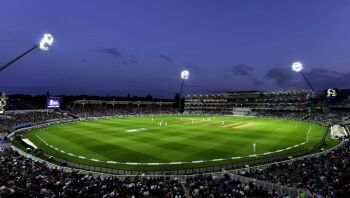
Motorsports and the thin line between control and chaos
Motorsports exist in a realm not far from chaos. Drivers operate at speeds where one small mistake or technical fault can change everything. A single puncture, safety car deployment, or sudden rain shower can turn a comfortable lead into defeat. Even the best teams, equipped with advanced technology and elite engineering, cannot eliminate chance entirely.
Mechanical reliability plays a massive role. A race car might perform flawlessly for months, only to suffer an engine failure at the worst possible time. Weather, tire degradation, and track conditions add more layers of unpredictability. Unlike team sports where strategy can adapt on the fly, motorsport drivers often have seconds to react to danger or opportunity. The human element, combined with machinery and environment, creates a cocktail of uncertainty few sports can rival.
Football and the balance between skill and chance
Football thrives on moments of brilliance and chaos. A single deflection, a goalkeeper’s slip, or a refereeing error can reshape an entire match. Yet compared to motorsports, the unpredictability feels more contained. Teams generally know their strengths, and skill often outweighs luck. A dominant team can still lose, but the range of possible outcomes is narrower than in racing.
Tactics, player form, and injuries influence results, but football’s structure allows for recovery. Over a league season, stronger teams usually prevail. This consistency contrasts with motorsports, where one collision or power failure can destroy months of effort. Football has drama, but it also rewards stability.
Cricket and its unpredictable nature of conditions
Cricket matches stretch across hours or even days, and every delivery can alter momentum. Weather and pitch conditions have an enormous impact. A ball that swings in the morning may stop moving by afternoon. This unpredictability adds strategy and suspense that fans love.
Shorter formats like T20 magnify uncertainty. One over can shift the entire game, and underdogs often topple giants. Betting fans understand this appeal well; cricket is one of the most popular sports to bet on through online platforms and casinos like NetBet. Still, while cricket can produce wild outcomes, it remains tethered to patterns, and individual brilliance will rarely decide a match. Teams adjust tactics to changing conditions and uncertain spells tend to level out.
Rugby and the physical control of chaos
Rugby’s unpredictability lies more in physical endurance and discipline. Teams face shifting momentum as fatigue, penalties, and weather conditions alter the game’s flow. A sudden turnover or missed tackle can swing results dramatically. Yet compared to motorsports, rugby’s variables remain within human control.
Refereeing decisions, set pieces, and teamwork drive outcomes more than random chance. Skillful teams impose structure through strategy and coordination. Even with unexpected events, the influence of pure luck is smaller than in motorsports. The chaos feels earned rather than accidental.
The unique volatility of motorsports
The sheer number of uncontrollable factors in motorsports - mechanical, meteorological, and psychological - ensures no victory is guaranteed. One minor error can undo hours of perfection; one flash of courage can redefine a career.
Other sports depend largely on human decision-making and preparation. Motorsports, though, live on the edge of unpredictability itself. That edge is why fans tune in, knowing that anything can happen and often does.
Image - Crowd of people sitting on stadium seats from Unsplash
article supplied
-

Embarking on your first solo multi-day motorcycle trip is an exciting adventure, offering freedom, self-discovery, and the opportunity to explore new places at your own pace. Preparing thoroughly ensures the journey is enjoyable, safe, and manageable, allowing you to focus on the thrill of the ride and the experiences along the way. From planning your route to packing wisely, a few key steps can make all the difference.
Planning Your Route
Before setting off, it is important to plan your route carefully. Consider the distance you can comfortably cover each day, the types of roads you prefer, and points of interest along the way. Using maps, GPS devices, or motorcycle-specific apps can help you visualise the journey and identify suitable stopping points. Flexibility is also crucial, as unexpected weather or road closures may require adjustments. By having a clear plan, you can enjoy the journey without unnecessary stress and ensure each day is balanced between riding and rest.
Packing Smart
Packing efficiently is one of the most important aspects of a multi-day solo trip. Essentials include clothing suited to varying weather conditions, personal hygiene items, a first aid kit, and any electronics or chargers you need. Use waterproof and secure luggage such as saddlebags, tank bags, or a tail pack. Keeping your load balanced improves handling and safety, while packing only what is necessary helps keep the bike agile.
Overall, thoughtful packing ensures that every moment of your trip, both on and off the bike, is comfortable, enjoyable, and well-spent.
Choosing Accommodation
When travelling alone, selecting the right accommodation is vital. Options range from hotels to hostels, B&Bs, and campsites. Consider comfort, location, and available amenities when making your choices. Booking in advance can provide peace of mind, particularly in popular areas or during busy seasons. Some riders prefer accommodations close to scenic routes or town centres, which makes exploring easier once the bike is parked. Choosing a welcoming place to stay each night ensures you have a safe and restful environment to recharge for the next day of riding.
Preparing Your Motorcycle
Your motorcycle is the heart of the journey, so it must be in optimal condition before you set off. Conduct a thorough check of tyres, brakes, lights, fluids, and the chain or belt. Make sure the bike is comfortable for long rides, adjusting handlebars, seat, and mirrors as needed. Packing tools, spare fuses, and a puncture repair kit can save time in the event of minor mechanical issues. Regular maintenance before the trip reduces the risk of breakdowns and allows you to focus on enjoying the ride rather than worrying about your bike.
Safety and Communication
Riding alone requires extra attention to safety. Make sure someone knows your planned route and expected arrival times, and check in regularly if possible. Carry a fully charged phone, and if available, a motorcycle-specific emergency device or GPS tracker. Wearing appropriate safety gear, including a helmet, jacket, gloves, and protective trousers and boots, is essential. Being prepared for both the physical demands of riding and potential emergencies ensures you can handle challenges with confidence.
Managing Your Energy
A multi-day ride can be physically and mentally demanding, so pacing yourself is key. Plan regular stops to stretch, hydrate, and refuel both your motorcycle and yourself. Avoid overextending on long days, and listen to your body if rest is needed. Eating well and staying hydrated helps maintain focus, while adequate sleep each night ensures you are alert for the ride ahead. By managing energy levels, you can enjoy every mile of your journey and avoid fatigue that could affect safety and enjoyment.
Enjoying the Journey
One of the greatest rewards of a solo motorcycle trip is the freedom to explore at your own pace. Take time to stop at scenic viewpoints, local attractions, or quaint towns along the way. Documenting your journey through photos or a travel journal can help preserve memories and enhance the experience. Being alone allows for reflection and immersion in the surroundings, turning each ride into a personal adventure. Embrace the flexibility to adjust plans spontaneously, making the journey as memorable as the destination itself.
Conclusion
Preparing for your first multi-day solo motorcycle trip involves a mix of planning, practical preparation, and thoughtful packing. By carefully mapping your route, choosing suitable accommodation, and ensuring your motorcycle is in top condition, you can create a smooth and enjoyable experience. Paying attention to safety, energy management, and personal comfort enhances the journey, while embracing the freedom to explore and connect with your surroundings makes each day memorable. With preparation and a spirit of adventure, your first solo motorcycle trip can be a rewarding and unforgettable experience.
Man riding motorcycle on concrete street photo – Free Bike Image on Unsplash
Article supplied
-
|
With the all new Aventuro Travel Carbon, Touratech presents an exciting new development in its successful flip-up helmet range. State-of-the-art materials, a practical design and extensive features make this premium helmet a comfortable companion – from holiday trips and adventure tours to everyday use.
X-Pro Carbon: maximum strength with minimum weight
The basis of the Aventuro Travel Carbon is a completely newly developed helmet shell made of X-Pro Carbon, a high-performance composite material with a fibre content of over 60 percent. Through the use of 3K carbon fibres (3,000 fibres per bundle), the material is exceptionally light with outstanding strength.
Around 10 per cent lighter than conventional designs, the helmet shell is manufactured in two sizes to ensure the optimum ratio between the outer shell and EPS liner for each helmet size.
Approved as a full-face and jet helmet (P/J homologation)
The Aventuro Travel Carbon of course complies with the current ECE 22-06 standard. In addition, it is double homologated (P/J), which means that it can also be legally ridden with the chin section raised.
Locking is realised by a precise mechanism made of stainless steel components, which ensures accurate engagement, durability and ease of use – even in dusty and dirty conditions.
Comfort and climate: interior design with X-MART Dry and Morpho Fit system
The interior of the Aventuro Travel Carbon is designed for maximum comfort. The X-MART Dry material offers excellent moisture management and a pleasantly dry feel, even in high temperatures.
The Morpho Fit system allows for individual adjustment in the cheek area, while the 3D-shaped inner padding and integrated multi-channel ventilation ensure gentle skin contact and optimum air circulation. The lining is, of course, removable and washable.
The seamless, removable inner lining incorporates multi-channel ventilation for optimal air circulation. Fresh air is supplied via a highly efficient ventilation system with two closable inlet openings at the front and two outlets at the rear of the helmet. The central element of the air management system is the patented Mid Airflow Chamber, which creates a volume between the inner and outer EPS shells.
Optimised acoustics
Touratech has comprehensively optimised the Aventuro Travel Carbon in terms of aeroacoustics. The helmet shell shape with integrated rear spoiler, the flow-optimised chin guard and the lightweight helmet visor minimise turbulence and wind noise.
The visor closure with double Silent Travel Seal and newly developed anti-noise cheek and neck pads provide additional peace and quiet in the helmet, enabling effective sound insulation. The result is a pleasantly quiet background noise level that promotes concentration and reduces fatigue on long journeys.
Features for travel and adventure
The panoramic field of vision provides excellent round view and unrestricted sight of the landscape. An integrated, continuously adjustable sun visor provides reliable protection in changing light conditions. The adjustable peak reduces glare when the sun is low.
The Touratech Aventuro Travel Carbon is designed for use with modern intercom systems; the Nexx X.COM3 and X.COM3 PRO systems can be seamlessly integrated. The scope of delivery also includes two action cam mounts – for mounting on the side and on top.
Touratech Aventuro Travel Carbon | Technical highlights
- Helmet shell made of X-Pro Carbon
- Certified according to ECE 22-06
- Double homologated (P/J)
- Two shell shell sizes, seven fits from XS to 3XL
- Aerodynamic helmet shield, specially developed for adventure use
- Visor closure with Silent Travel Seal for optimised sound insulation and sealing effect
Efficient ventilation system with two inlet and two outlet openings
- X-MART Dry inner lining with Morpho Fit system, removable and washable
- Integrated sun visor, easy to operate even with gloves on
- Action cam mounts included (top and side)
- Intercom preparation for Nexx X.COM3 / X.COM3 PRO
- Stainless steel micrometer closure
The all new Touratech Aventuro Travel Carbon is now available in seven sizes (XS–3XL). Item-no.: 500-2770 ff.
Further information in the Touratech webshop
|
|
|